
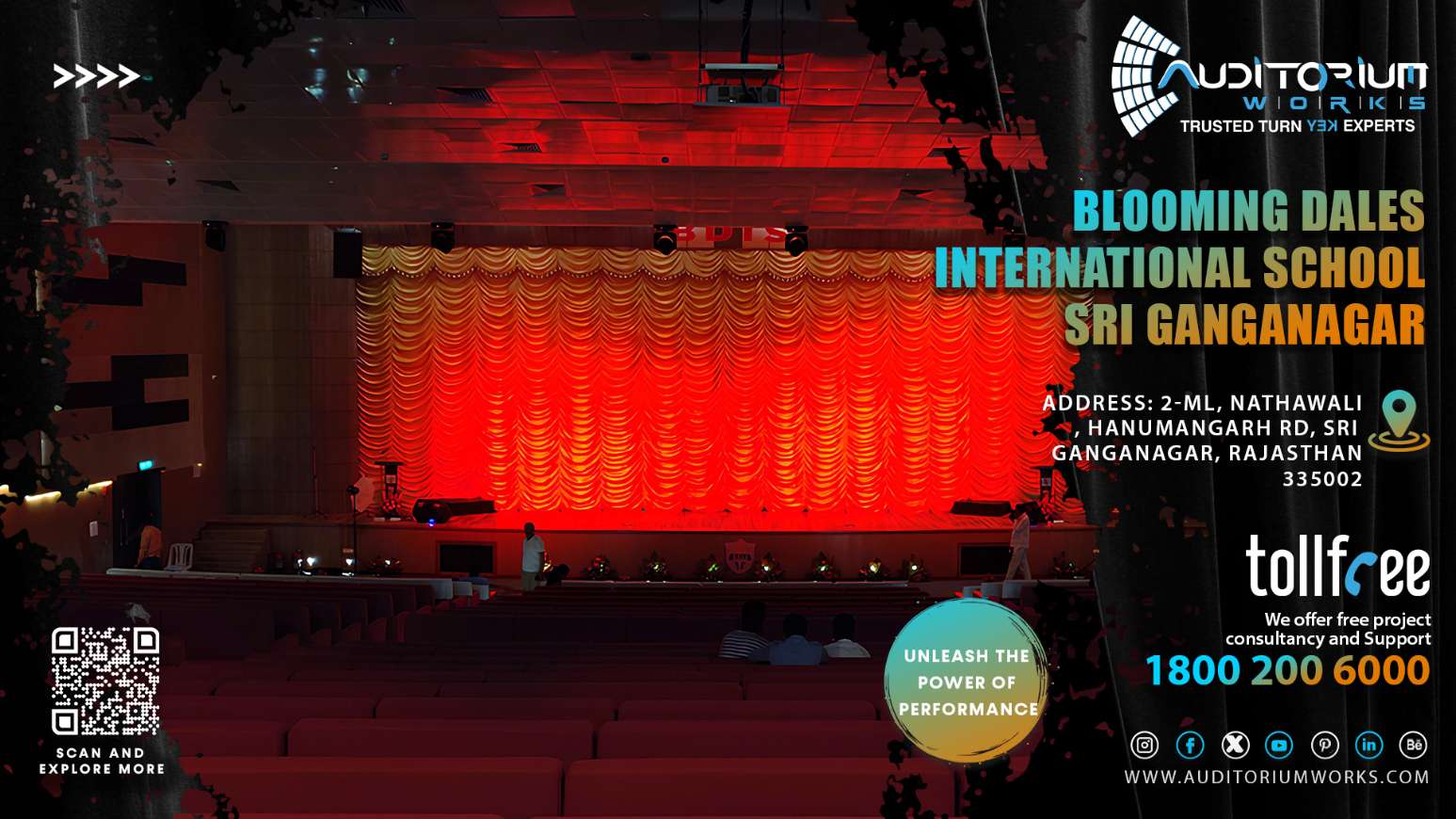

The experience of attending a performance in an auditorium is profoundly shaped by its acoustics. Beyond simply hearing the performance, listeners should feel immersed in a space that enhances clarity, depth, and emotional impact. As technology advances and our understanding of sound deepens, the field of auditorium acoustics is evolving rapidly. This article explores the key trends that are shaping the future of these crucial performance spaces.
Adaptive Acoustics: Responding to the Sound
One of the most significant trends is the rise of adaptive acoustics. Traditional acoustic design often aims for a fixed set of parameters, optimized for a specific type of performance. However, modern auditoriums are increasingly multi-purpose venues, hosting everything from orchestral concerts to amplified rock shows and theatrical productions. Adaptive acoustic systems use sensors, processors, and adjustable acoustic elements to dynamically alter the room’s acoustic characteristics in real-time.
How Adaptive Systems Work
These systems typically involve microphones placed strategically throughout the auditorium that capture the sound field. Sophisticated algorithms analyze this data and automatically adjust elements like retractable banners, rotating panels, and electronically controlled diffusers. The goal is to optimize reverberation time, clarity, and overall sound quality for each performance, regardless of the sound source.
Benefits of Adaptive Acoustics
The benefits are numerous. Venues can accommodate a wider range of performances without compromising acoustic quality. Performers can achieve optimal sound conditions without needing to adjust their technique significantly. And audiences enjoy a more immersive and engaging listening experience.
Immersive Soundscapes: Beyond Traditional Stereo
Traditional auditorium sound systems often rely on stereo or surround sound configurations. However, the future of auditorium acoustics lies in creating truly immersive soundscapes. This involves utilizing 3D audio technologies and multiple speaker arrays to create a more realistic and engaging sonic environment.
Object-Based Audio
Object-based audio, such as Dolby Atmos and DTS:X, is becoming increasingly prevalent. This technology allows sound designers to place individual sound “objects” in a 3D space, rather than simply assigning them to specific channels. This enables sound to move freely around the auditorium, creating a more realistic and immersive experience.
Advanced Speaker Arrays
To fully realize the potential of immersive sound, advanced speaker arrays are required. These arrays consist of multiple speakers strategically placed throughout the auditorium, including overhead speakers, side speakers, and even speakers embedded in the seating. This allows sound to be projected from all directions, creating a truly enveloping soundscape.
Acoustic Simulation and Virtual Prototyping
Designing effective auditorium acoustics is a complex process that requires careful planning and precise execution. Acoustic simulation software has become an invaluable tool for architects and acoustic consultants, allowing them to predict the acoustic performance of a space before it is even built.
The Power of Predictive Modeling
These simulations can model the behavior of sound waves within a space, taking into account factors like room geometry, material properties, and speaker placement. This allows designers to identify potential acoustic problems early on and make informed decisions about the design of the auditorium.
Virtual Reality Integration
Virtual reality (VR) is taking acoustic simulation to the next level. By creating virtual models of auditoriums, designers can actually “walk through” the space and experience the acoustics firsthand. This allows them to make more intuitive design decisions and ensure that the final product meets their acoustic goals.
Sustainable Acoustics: Eco-Friendly Solutions
As sustainability becomes increasingly important, the field of auditorium acoustics is also embracing eco-friendly solutions. This includes using sustainable materials, reducing energy consumption, and minimizing the environmental impact of construction and operation.
Sustainable Materials
Many traditional acoustic materials, such as fiberglass and mineral wool, can be harmful to the environment. Sustainable alternatives, such as recycled cotton, wood fiber, and hemp, are becoming increasingly popular. These materials offer excellent acoustic performance while minimizing environmental impact.
Energy Efficiency
Reducing energy consumption is another key aspect of sustainable acoustics. This can be achieved through the use of energy-efficient lighting, HVAC systems, and acoustic treatments. Properly designed acoustics can also reduce the need for amplification, further reducing energy consumption.
The Democratization of Acoustic Design
Advanced technology is enabling wider access to robust acoustic design tools and knowledge. This “democratization” of acoustic design is making it possible for smaller venues and community spaces to achieve high-quality sound without the need for extensive resources.
User-Friendly Software
More intuitive and affordable acoustic modeling software is emerging, making it easier for architects and designers without specialized acoustics training to incorporate acoustic considerations into their designs. This allows for more informed decision-making early in the design process.
Open-Source Resources
Online resources, including open-source acoustic simulation tools and educational materials, are also contributing to the democratization of acoustic design. These resources provide valuable information and guidance to anyone interested in improving the acoustics of a space.
Conclusion: A Symphony of Innovation
The future of auditorium acoustics is bright, driven by innovation and a deeper understanding of sound. Adaptive acoustics, immersive soundscapes, acoustic simulation, sustainable solutions, and the democratization of acoustic design are all playing a role in shaping the future of performance spaces. By embracing these trends, we can create auditoriums that not only sound amazing but also provide a more engaging, sustainable, and accessible experience for everyone.