
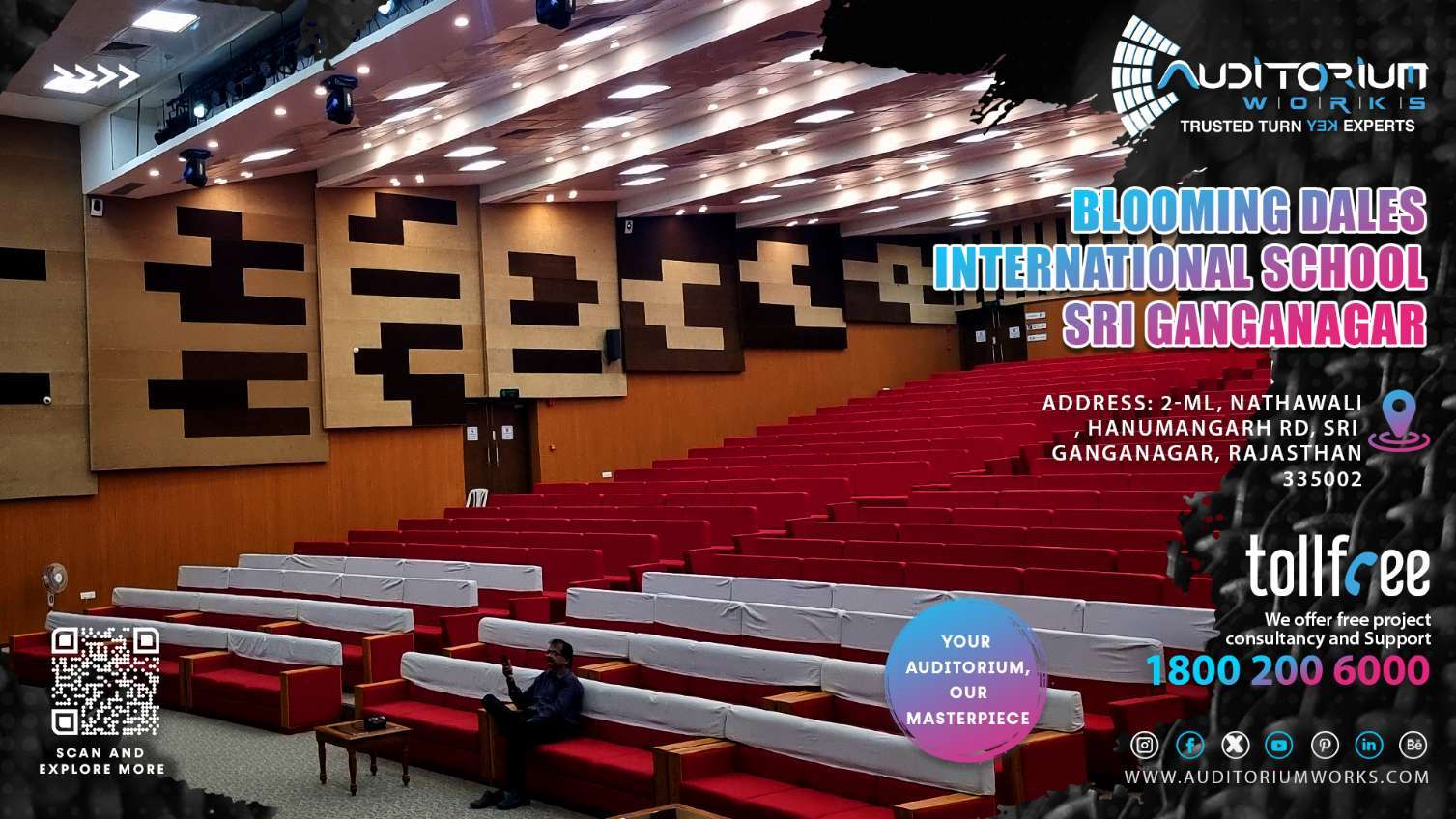

Fixing Bad Auditorium Acoustics: A Step-by-Step Guide
Understanding the Problem: Why Does Your Auditorium Sound Bad?
Before diving into solutions, it’s crucial to pinpoint the specific acoustic flaws plaguing your auditorium. A general feeling that the sound is “bad” isn’t enough. Is it too echoey? Are voices muffled and unclear? Do certain seats sound significantly worse than others? Understanding the root causes allows for targeted and effective remediation. Common acoustic issues in auditoriums include:
Excessive Reverberation: Sound reflections linger for too long, blurring speech and music.
Echoes: Distinct, delayed reflections that create a distracting “hall” effect.
Poor Sound Distribution: Uneven sound coverage, leading to dead spots and overly loud areas.
Flutter Echoes: Rapid, repeating echoes between parallel surfaces.
Standing Waves (Room Modes): Certain frequencies are amplified or cancelled out in specific locations.
External Noise Intrusion: Sound from outside the building, such as traffic or HVAC systems, interfering with performances.
Accurately diagnosing these problems often requires professional acoustic measurements and analysis. This might involve using specialized equipment to measure reverberation time (RT60), sound pressure levels, and frequency response across the auditorium.
Step 1: Acoustic Analysis and Measurement
While subjective assessment can provide initial clues, a professional acoustic analysis is paramount for a successful renovation. This involves:
1. Site Visit and Visual Inspection: Examining the auditorium’s geometry, materials, and existing sound system setup.
2. Acoustic Measurements: Utilizing specialized equipment like microphones and sound level meters to capture data on reverberation time, sound pressure levels, and frequency response at various locations within the auditorium.
3. Data Analysis: Interpreting the collected data to identify specific acoustic problems and their severity.
4. Modeling and Simulation: Using computer modeling software to predict the impact of proposed acoustic treatments and optimize their placement. This allows for a virtual “test drive” of different solutions before physical installation.
The outcome of this stage is a detailed acoustic report outlining the existing conditions, identifying problem areas, and recommending specific treatments.
Step 2: Targeting Reverberation with Absorption
Reducing excessive reverberation is often the first and most critical step in improving auditorium acoustics. Absorption materials reduce the amount of sound energy reflected within the space, leading to clearer, more intelligible sound. Effective absorption strategies include:
Acoustic Panels: Fabric-wrapped fiberglass or mineral wool panels mounted on walls and ceilings. These are available in various sizes, shapes, and colors to blend seamlessly with the auditorium’s aesthetics.
Acoustic Baffles: Suspended vertically from the ceiling, baffles provide excellent sound absorption while maximizing airflow and maintaining access to lighting and other utilities.
Acoustic Clouds: Similar to baffles but typically larger and more decorative, clouds can be strategically positioned to absorb sound reflections from specific areas, such as above the stage or audience seating.
Bass Traps: Low-frequency sounds are notoriously difficult to absorb. Bass traps, typically placed in corners or along walls, are designed to effectively absorb these frequencies, reducing unwanted boominess and improving overall sound clarity.
Upholstered Seating: Replacing hard, reflective seating with upholstered chairs can significantly contribute to sound absorption, especially when the auditorium is sparsely populated.
Acoustic Curtains and Drapes: Heavy, sound-absorbing curtains or drapes can be used to treat large wall surfaces or windows, providing both acoustic control and aesthetic flexibility.
The key is to strategically place absorption materials in areas where sound reflections are most problematic, such as near the sound source and on opposing surfaces. The amount of absorption required will depend on the size and shape of the auditorium, as well as the desired reverberation time.
Step 3: Controlling Reflections with Diffusion
While absorption reduces the overall sound energy, diffusion scatters sound waves in multiple directions, creating a more even and natural-sounding acoustic environment. Diffusion is particularly important in auditoriums used for music performances, as it helps to create a sense of spaciousness and envelopment. Effective diffusion strategies include:
Quadratic Residue Diffusers (QRDs): These mathematically designed diffusers scatter sound waves in a predictable and controlled manner, providing excellent diffusion across a wide range of frequencies.
Polycylindrical Diffusers (Poly Diffusers): Curved surfaces that scatter sound waves in a more random fashion, creating a warm and natural sound.
Irregular Surfaces: Incorporating architectural elements with irregular surfaces, such as textured walls or sculpted ceilings, can help to diffuse sound reflections.
Bookshelves (When strategically placed): Bookshelves filled with books of varying sizes and depths can act as effective diffusers, particularly in smaller auditoriums or rehearsal spaces.
Unlike absorption, which should be concentrated in specific areas, diffusion should be distributed more evenly throughout the auditorium. This will help to create a balanced and immersive sound experience for all listeners.
Step 4: Addressing External Noise Intrusion
External noise can significantly degrade the acoustic quality of an auditorium, making it difficult for performers and audience members to hear clearly. Addressing external noise requires a multi-pronged approach:
Sealing Air Gaps: Thoroughly seal any cracks or gaps around windows, doors, and walls to prevent noise from entering the auditorium.
Upgrading Windows and Doors: Replacing single-pane windows and hollow-core doors with double-pane windows and solid-core doors can significantly reduce noise transmission.
Adding Mass: Adding mass to walls and ceilings can help to block sound transmission. This can be achieved by adding layers of drywall or using specialized soundproofing materials.
Isolating HVAC Systems: Vibration from HVAC systems can transmit noise through the building structure. Isolating HVAC units with vibration damping materials can help to reduce noise transmission.
Creating Sound Barriers: Erecting physical barriers, such as fences or walls, outside the auditorium can help to block noise from external sources, such as traffic or construction sites.
Addressing external noise can be a complex and costly undertaking, but it is essential for creating a truly quiet and acoustically pristine environment.
Step 5: Optimizing Sound System Design and Placement
Even with excellent room acoustics, a poorly designed or improperly installed sound system can still compromise the overall sound quality of an auditorium. Optimization includes:
Speaker Selection: Choosing speakers that are appropriate for the size and shape of the auditorium, as well as the types of performances that will be held there.
Speaker Placement: Positioning speakers strategically to ensure even sound coverage throughout the auditorium, minimizing dead spots and maximizing intelligibility.
Equalization and Tuning: Using equalization to adjust the frequency response of the sound system to compensate for any remaining acoustic imperfections in the room.
Delay Compensation: Implementing delay compensation to ensure that sound from different speakers arrives at the listener’s ears at the same time, preventing phase cancellation and improving clarity.
Sound System Calibration: Performing regular sound system calibration to ensure that the system is performing optimally.
Engaging a qualified sound system designer and installer is crucial for achieving optimal sound system performance.
Step 6: Continuous Evaluation and Adjustment
Improving auditorium acoustics is an ongoing process, not a one-time fix. Regularly evaluate the acoustic performance of the auditorium and make adjustments as needed. This includes:
Listening Tests: Conducting listening tests with performers and audience members to gather feedback on the sound quality.
Acoustic Measurements: Periodically repeating acoustic measurements to monitor the performance of the acoustic treatments and identify any new or emerging problems.
Sound System Maintenance: Regularly maintaining the sound system to ensure that it is performing optimally.
Adapting to Changes: Adjusting the acoustic treatments or sound system settings to accommodate changes in the types of performances being held in the auditorium.
By continuously monitoring and adjusting the acoustic environment, you can ensure that your auditorium sounds its best for years to come.