
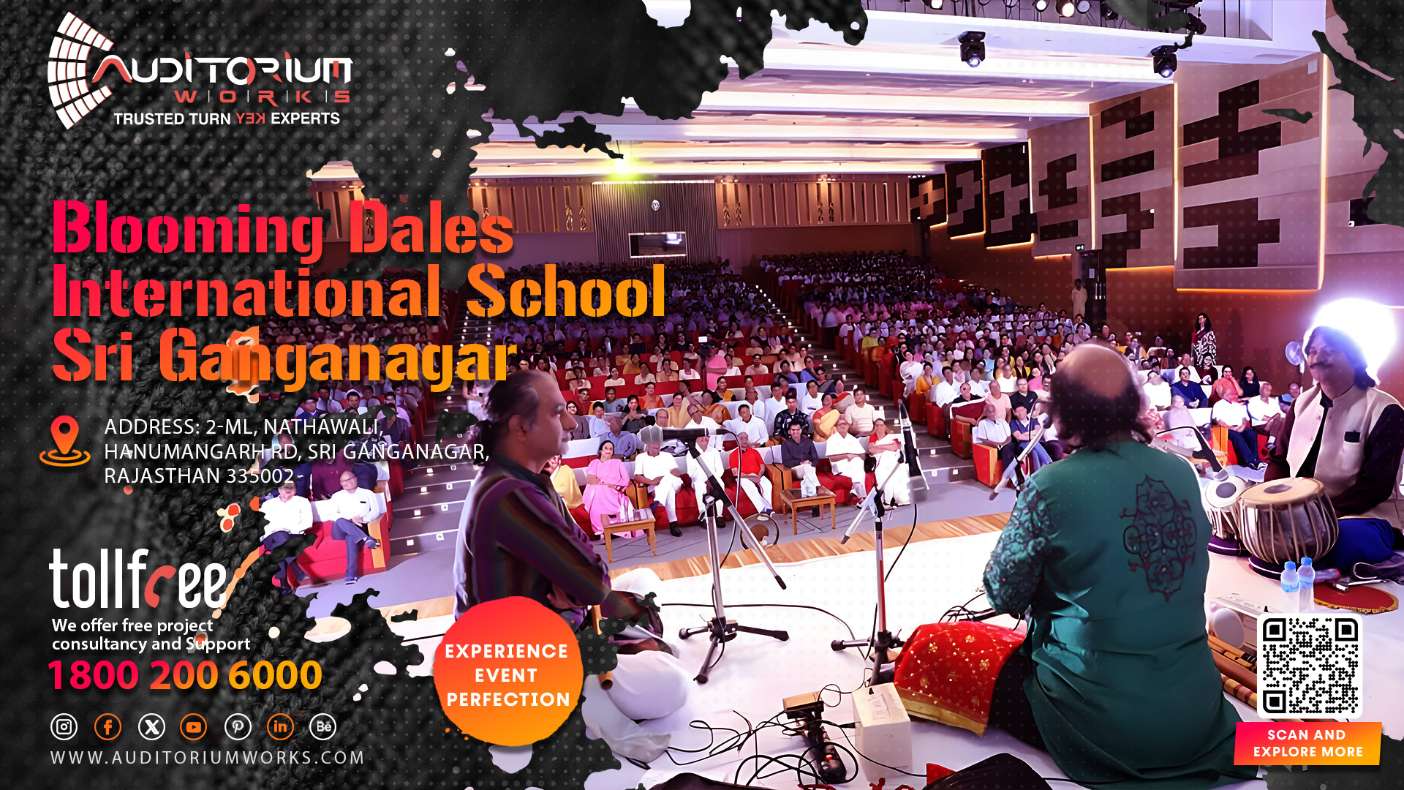

Auditorium Design: The Secret to Unforgettable Events
The Symphony of Space: How Design Shapes Experience
An auditorium is more than just a room; it’s a vessel for shared experiences. From captivating theatrical performances to inspiring keynote speeches and electrifying musical concerts, these spaces hold the power to leave lasting impressions. The key to unlocking that potential lies in thoughtful and deliberate auditorium design. It’s about far more than just rows of seats and a stage. It’s about crafting an environment that enhances engagement, optimizes acoustics, and fosters a connection between performers and audience.
Acoustic Perfection: The Invisible Foundation
Acoustics are arguably the most critical element of auditorium design. Poor acoustics can transform a brilliant performance into a frustrating experience, leaving the audience struggling to hear and comprehend. Achieving acoustic perfection requires a multifaceted approach, encompassing sound absorption, diffusion, and isolation.
Sound absorption minimizes reverberation and echoes, preventing sound from bouncing excessively around the room. Materials like acoustic panels, specialized fabrics, and strategically placed sound-absorbing baffles are vital. Diffusion scatters sound waves, creating a more even and natural sound field throughout the auditorium. Diffusers, often textured surfaces, break up sound reflections, preventing hot spots and dead zones.
Sound isolation, often overlooked, is crucial for minimizing external noise intrusion. This involves careful consideration of wall construction, window treatments, and ventilation systems. Eliminating distractions from outside ensures the audience remains fully immersed in the event.
Sightlines and Staging: Visual Connection is Key
Equally important to acoustics are clear, unobstructed sightlines. Every audience member deserves a comfortable and direct view of the stage, regardless of their seating location. Raked seating, strategically placed columns, and carefully calculated stage dimensions are essential for achieving optimal sightlines.
The stage itself must be designed to accommodate a variety of performances. Adequate depth, width, and height are crucial, as is the provision of backstage areas for performers and equipment. Stage lighting systems should be versatile and energy-efficient, capable of creating a wide range of moods and effects.
Comfort and Accessibility: Prioritizing the Audience Experience
Auditorium design should prioritize the comfort and well-being of the audience. Ergonomic seating, adequate legroom, and climate control are all essential for creating a positive and enjoyable experience. Furthermore, accessibility is paramount. The design must comply with all relevant accessibility regulations, ensuring that individuals with disabilities can fully participate in and enjoy events. This includes providing wheelchair-accessible seating, accessible restrooms, and assistive listening devices.
Beyond Functionality: Aesthetics and Ambiance
While functionality is paramount, aesthetics play a vital role in creating an unforgettable event. The auditorium’s design should be visually appealing and complement the types of performances it will host. The choice of materials, colors, and lighting can all contribute to the overall ambiance. Modern auditoriums often incorporate flexible design elements, allowing the space to be easily reconfigured for different events. This might include retractable seating, modular stage components, and adaptable lighting systems.
The Future of Auditorium Design: Innovation and Technology
The field of auditorium design is constantly evolving, driven by technological advancements and changing audience expectations. Immersive audio systems, interactive lighting technologies, and virtual reality experiences are becoming increasingly common. Sustainable design practices are also gaining prominence, with architects and designers seeking to create environmentally friendly and energy-efficient auditoriums. As technology continues to advance, the future of auditorium design promises even more innovative and engaging experiences for audiences worldwide.
Partnering with Experts: Making Your Vision a Reality
Designing a successful auditorium requires a specialized skillset and a deep understanding of acoustics, sightlines, and audience experience. Partnering with experienced auditorium consultants is crucial for ensuring that your project meets its goals and delivers exceptional results. Consultants can provide expert guidance throughout the design process, from initial concept development to final construction and commissioning. They can help you navigate complex technical challenges, optimize acoustics, and create a space that is both functional and aesthetically pleasing. By investing in expert consulting, you can ensure that your auditorium becomes a truly unforgettable venue for years to come.