
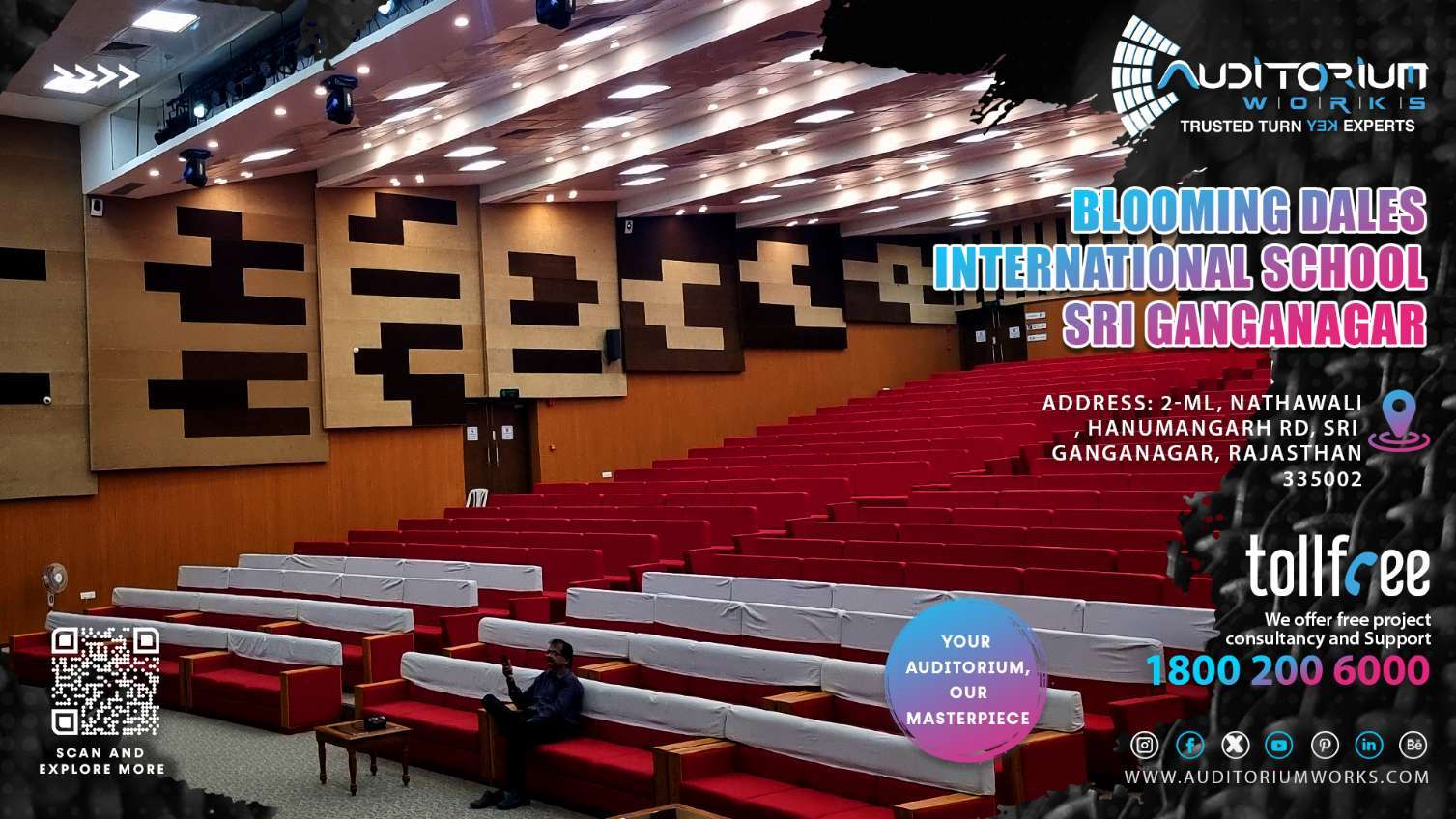

Auditorium Acoustics: The Foundation of Unforgettable Experiences
The Unsung Hero of Performance Spaces
Auditorium acoustics often remain behind the scenes, a silent partner to the performers and speakers who grace its stage. Yet, the quality of sound within an auditorium profoundly impacts the audience’s experience. Poor acoustics can transform a brilliant performance into a frustrating ordeal, while exceptional acoustics can elevate even a simple presentation to something truly memorable. This article explores the critical role acoustics play in shaping the experience within an auditorium and why investing in acoustic design is paramount.
Beyond Soundproofing: Shaping the Soundscape
Acoustic design transcends mere soundproofing. It’s a holistic approach that carefully manipulates sound reflections, absorption, and diffusion to create an optimal listening environment. While soundproofing aims to prevent external noise from entering the space, acoustic treatment focuses on how sound behaves within the auditorium itself. Key elements considered in acoustic design include:
Reverberation Time (RT60): The time it takes for sound to decay by 60 decibels. An ideal RT60 balances clarity and fullness, ensuring speech is intelligible and music retains its richness. Different performance types require different RT60 values.
Clarity (C80): A measure of how well individual sounds are distinguished. High clarity is crucial for speech intelligibility and appreciating the nuances of instrumental music.
Sound Diffusion: Scattering sound waves evenly throughout the space, preventing echoes and hot spots. This creates a more immersive and consistent listening experience for all audience members.
Sound Absorption: Using materials to absorb excessive sound energy, reducing reverberation and improving clarity.
Early Reflections: Direct sound arriving soon after the direct sound from the source. These reflections reinforce the direct sound and enhance its perceived loudness and clarity.
Tailoring Acoustics to the Auditorium’s Purpose
A one-size-fits-all approach to auditorium acoustics is rarely effective. The intended use of the space significantly influences the acoustic design. A lecture hall prioritizing speech intelligibility will require different acoustic treatment than a concert hall designed for orchestral performances.
Speech-Focused Auditoriums: Require shorter reverberation times and excellent clarity to ensure every word is heard and understood. Absorptive materials are often employed on walls and ceilings.
Music-Focused Auditoriums: Benefit from longer reverberation times, adding warmth and richness to the sound. Diffusive surfaces can enhance the sense of spaciousness and envelopment.
Multi-Purpose Auditoriums: Present a unique challenge. Variable acoustics can be implemented using adjustable panels, curtains, or electronic acoustic enhancement systems to optimize the sound for different events.
The Impact on Audience Engagement and Satisfaction
Imagine attending a theatrical performance where the actors’ voices are muffled and indistinct, or a musical concert where the sound is muddy and overwhelming. These experiences are likely to leave you feeling frustrated and disconnected. Well-designed acoustics, on the other hand, foster a sense of immersion and connection. When sound is clear, balanced, and appropriately reverberant, the audience can fully engage with the performance, appreciate the artistry, and leave feeling satisfied.
Acoustic comfort directly translates into increased audience attendance and positive word-of-mouth referrals. In today’s competitive entertainment landscape, prioritizing acoustic excellence is not just a matter of aesthetics; it’s a strategic investment in audience satisfaction and long-term success.
Modern Tools and Techniques in Acoustic Design
Modern acoustic design relies on sophisticated tools and techniques to predict and optimize sound behavior within an auditorium.
Acoustic Modeling Software: Computer simulations allow designers to visualize sound propagation, identify potential problem areas, and evaluate the effectiveness of different acoustic treatments before construction begins.
Impulse Response Measurements: Real-world measurements using specialized equipment to analyze the acoustic characteristics of a space and identify areas for improvement.
Auralization: Creating audible simulations of how sound will sound in a space, allowing clients and performers to experience the acoustic environment before it’s built.
Material Science Advancements: Continuous innovation in acoustic materials provides designers with a wider range of options to achieve specific acoustic goals while also considering aesthetics and sustainability.
Partnering with Acoustic Experts: Ensuring Optimal Results
Achieving exceptional auditorium acoustics requires the expertise of qualified acoustic consultants. These professionals possess the knowledge, experience, and tools to analyze your specific needs, develop tailored solutions, and oversee the implementation of acoustic treatments.
Investing in professional acoustic consulting is a worthwhile investment that will pay dividends in the form of enhanced audience experiences, improved performance quality, and a venue that stands out for its sonic excellence. Don’t underestimate the power of sound; make auditorium acoustics the foundation for unforgettable experiences.