

Auditorium Acoustics: The Art of Creating Sonic Harmony
Understanding the Fundamentals of Auditorium Acoustics
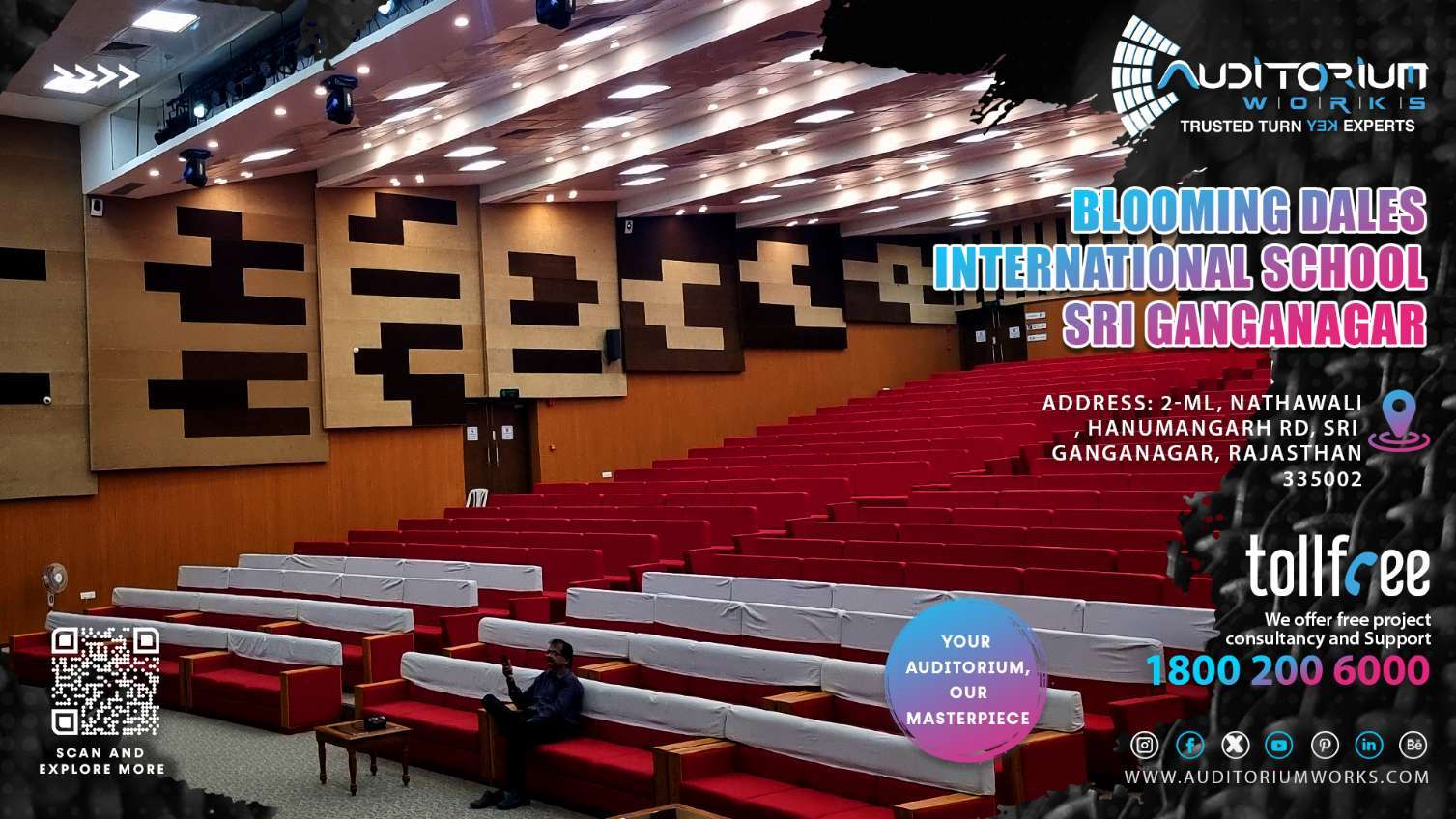
Auditorium acoustics are a specialized branch of architectural acoustics, focusing on the science and art of shaping sound within large enclosed spaces intended for performances, presentations, and gatherings. The goal is to achieve optimal clarity, richness, and evenness of sound distribution for all audience members, regardless of their location. This involves a delicate balancing act, mitigating unwanted reflections, controlling reverberation, and minimizing external noise intrusion. Factors like the size and shape of the auditorium, the materials used in its construction, and the intended use of the space all play crucial roles in determining its acoustic character.
The Critical Role of Reverberation Time (RT60)
Reverberation Time (RT60), often simply referred to as reverberation time, is a cornerstone concept in auditorium acoustics. It represents the time it takes for sound pressure level to decrease by 60 decibels after the sound source has stopped. The ideal RT60 varies significantly depending on the auditorium’s primary function. For speech-based events like lectures or presentations, a shorter RT60 is preferable to maximize speech intelligibility. Conversely, musical performances, especially those featuring orchestral or choral works, often benefit from a longer RT60, creating a richer, more immersive sonic experience. Achieving the optimal RT60 requires careful consideration of the absorptive and reflective properties of the room’s surfaces.
Sound Absorption: Taming Unwanted Reflections
Sound absorption is the process by which materials convert sound energy into other forms of energy, typically heat, thus reducing the intensity of reflected sound waves. In auditoriums, strategically placed sound-absorbing materials are essential for controlling reverberation and minimizing echoes. Common sound-absorbing materials include acoustic panels, fabric-wrapped fiberglass, specialized curtains, and strategically designed seating. The effectiveness of a material’s sound absorption is frequency-dependent, meaning it absorbs different frequencies at different rates. Therefore, selecting the appropriate materials to address the specific acoustic challenges of a given auditorium is paramount.
Sound Reflection: Harnessing Sound for Enhanced Projection
While excessive reflections can degrade acoustic quality, controlled reflections are vital for distributing sound evenly throughout an auditorium and enhancing projection from the stage. Convex surfaces, such as curved walls or strategically placed diffusers, can scatter sound waves in multiple directions, creating a more diffuse sound field and preventing the formation of strong echoes. Properly designed reflectors, often positioned above the stage, can redirect sound energy towards the audience, improving clarity and loudness in the back rows. The key lies in carefully shaping and positioning reflective surfaces to optimize sound distribution without introducing unwanted acoustic artifacts.
Sound Diffusion: Creating a Uniform Sound Field
Sound diffusion refers to the scattering of sound energy in a uniform manner, creating a more homogeneous sound field throughout the auditorium. This is particularly important for large auditoriums where direct sound from the source may be weaker in distant seating areas. Diffusers, typically characterized by irregular or textured surfaces, scatter sound waves in multiple directions, reducing the intensity of specular reflections and creating a more enveloping and natural sound experience. They are often used on walls and ceilings to improve sound distribution and minimize the perception of distinct echoes.
Noise Isolation: Protecting the Acoustic Sanctuary
Auditoriums are often located in noisy environments, making noise isolation a critical consideration. External noise, such as traffic, aircraft, or mechanical equipment, can significantly detract from the audience’s listening experience. Effective noise isolation requires a multi-faceted approach, including the use of thick, dense walls and ceilings, airtight windows and doors, and vibration isolation measures for mechanical equipment. Addressing flanking paths, which are structural pathways through which sound can bypass the primary barriers, is also crucial for achieving optimal noise isolation.
Advanced Acoustic Modeling and Simulation
Modern auditorium design relies heavily on advanced acoustic modeling and simulation tools. These software programs allow acousticians to predict the acoustic performance of a proposed auditorium design before construction begins. By inputting the auditorium’s geometry, material properties, and sound source characteristics, these tools can generate detailed visualizations of sound pressure levels, reverberation times, and other acoustic parameters. This allows designers to identify potential acoustic problems early in the design process and make informed decisions to optimize the auditorium’s acoustic performance.
The Art of Auralization: Experiencing the Soundscape
Auralization is a powerful technique that allows listeners to experience the predicted sound of an auditorium before it is built. By combining acoustic modeling data with binaural recording techniques, auralization creates a realistic and immersive auditory simulation of the space. This allows stakeholders, including architects, engineers, and clients, to evaluate the acoustic impact of different design choices and make informed decisions about the auditorium’s final configuration. Auralization is a valuable tool for communicating complex acoustic concepts and ensuring that the finished auditorium meets the desired acoustic goals.
Commissioning and Fine-Tuning: Achieving Acoustic Perfection
Even with meticulous design and construction, achieving optimal acoustics in an auditorium often requires careful commissioning and fine-tuning. This involves conducting on-site acoustic measurements to verify that the auditorium’s performance meets the design specifications. Based on these measurements, adjustments may be made to the positioning of sound-absorbing materials, reflectors, or diffusers to optimize the sound field. Commissioning ensures that the auditorium delivers the best possible listening experience for all audience members.
The Future of Auditorium Acoustics: Innovation and Technology
The field of auditorium acoustics continues to evolve, driven by advancements in materials science, digital signal processing, and acoustic modeling techniques. New materials with enhanced sound-absorbing and diffusing properties are constantly being developed, offering greater flexibility in acoustic design. Digital signal processing technologies, such as active noise control and electronic acoustics, are being used to enhance the acoustic performance of auditoriums in real-time. As technology continues to advance, the future of auditorium acoustics promises even greater control over sound and the creation of truly immersive and unforgettable listening experiences.