
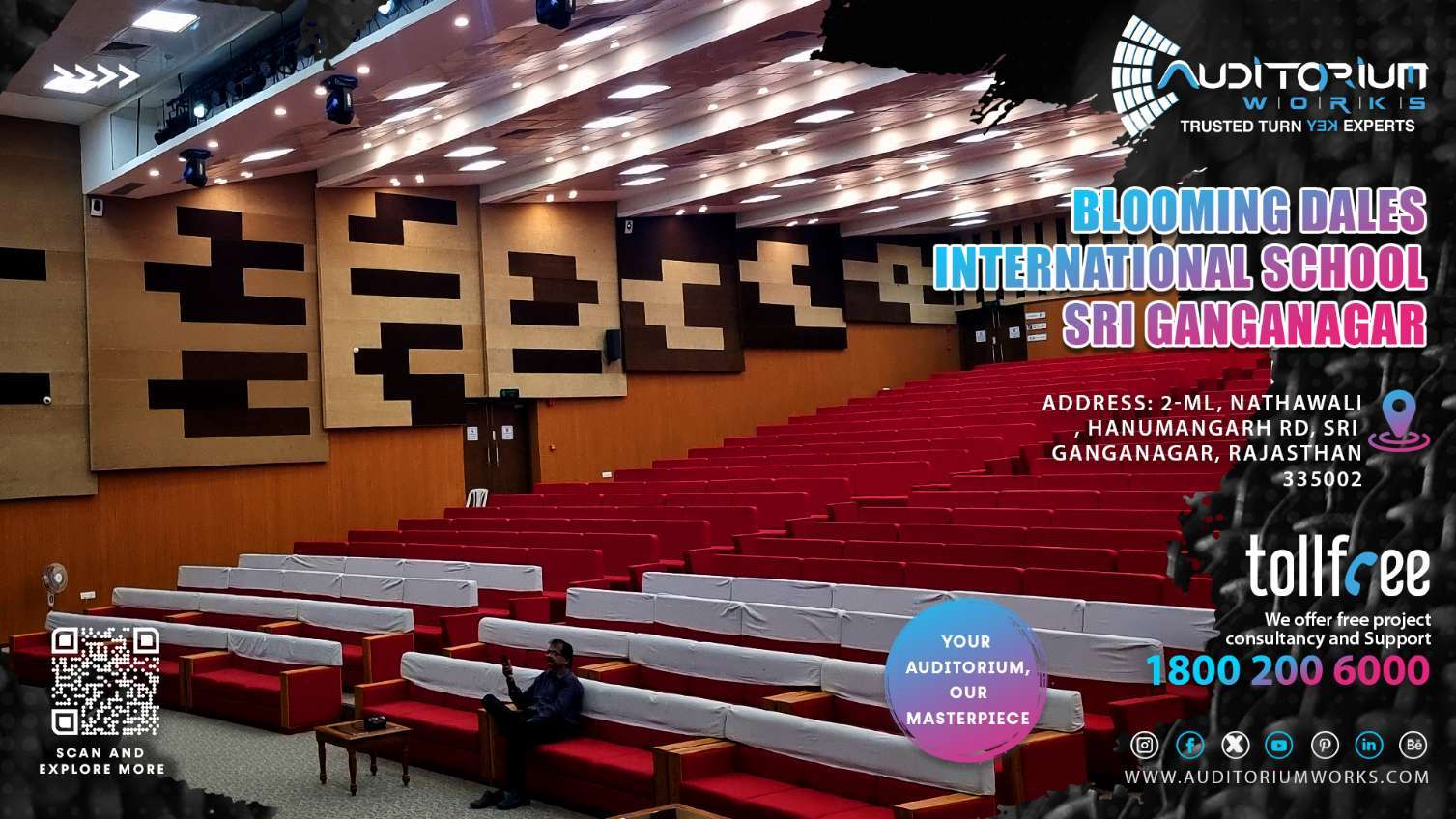

Introduction: The Symphony of Silence and Sound in Auditoriums
Auditoriums, as spaces designed for performance and presentation, demand acoustic precision. A delicate balance must be struck between clear sound projection and minimizing unwanted noise and echoes. Acoustic ceilings and walls are the unsung heroes in achieving this balance, playing a pivotal role in shaping the auditory experience for both performers and audiences. This guide delves into the intricacies of acoustic treatment for auditoriums, exploring the materials, design principles, and best practices that contribute to sonic excellence.
Understanding the Science of Sound in Auditoriums
The behavior of sound within an auditorium is governed by several key principles:
Reflection: Sound waves bounce off hard surfaces, creating reflections that can either enhance or detract from the clarity of sound.
Absorption: Acoustic materials absorb sound energy, reducing the intensity of reflections and reverberation.
Diffusion: Diffusers scatter sound waves in multiple directions, creating a more even and balanced sound field.
Reverberation Time (RT60): The time it takes for sound to decay by 60 decibels after the sound source stops. Optimizing RT60 is crucial for speech intelligibility and musical clarity.
Why Acoustic Ceilings and Walls are Essential
Uncontrolled sound reflections can lead to several acoustic problems within an auditorium:
Echoes: Distinct repetitions of sound that can be distracting and reduce intelligibility.
Reverberation: Prolonged sound decay that muddies the sound and makes it difficult to understand speech.
Sound Focusing: Concentration of sound in certain areas, creating hot spots and dead spots.
Comb Filtering: Destructive interference patterns that alter the tonal quality of sound.
Acoustic ceilings and walls are designed to mitigate these issues, creating a more controlled and predictable acoustic environment.
Acoustic Ceiling Solutions: Absorption and Diffusion Overhead
Acoustic ceilings are often the first line of defense against unwanted sound reflections. They offer a large surface area for absorption and diffusion, making them highly effective in controlling reverberation. Several types of acoustic ceiling solutions are commonly used in auditoriums:
Acoustic Ceiling Tiles (ACT): These tiles are typically made from mineral fiber, fiberglass, or wood fiber and offer varying degrees of sound absorption. They are cost-effective and relatively easy to install.
Suspended Acoustic Baffles: Vertically hung panels that increase the surface area for sound absorption, particularly effective in reducing flutter echoes.
Acoustic Clouds: Suspended panels that float below the structural ceiling, providing targeted sound absorption without covering the entire ceiling area.
Perforated Metal Ceilings with Acoustic Backing: Combine an aesthetically pleasing metal finish with the sound-absorbing properties of a backing material.
Stretch Fabric Ceilings: A fabric membrane stretched over a frame, providing a seamless and visually appealing surface with excellent acoustic performance when combined with appropriate backing.
Acoustic Wall Treatments: Shaping Soundscapes Vertically
Acoustic wall treatments complement ceiling solutions by addressing sound reflections from the walls. They contribute to a balanced acoustic environment and can be strategically placed to optimize sound diffusion. Common types of acoustic wall treatments include:
Acoustic Panels: Fabric-wrapped panels filled with sound-absorbing material like fiberglass or mineral wool. Available in various sizes, shapes, and colors to suit the design of the auditorium.
Wood Acoustic Panels: Offer a natural aesthetic and can be designed for both absorption and diffusion. Perforated or slotted wood panels with acoustic backing are particularly effective.
Acoustic Diffusers: Designed to scatter sound waves, creating a more even and balanced sound field. Common types include quadratic residue diffusers (QRDs) and skyline diffusers.
Bass Traps: Designed to absorb low-frequency sound waves, which are often difficult to control with standard acoustic panels. Typically placed in corners or along walls to minimize standing waves.
Acoustic Curtains and Drapes: Fabric curtains and drapes can provide sound absorption and can be used to adjust the acoustics of the auditorium for different performances or events.
Material Matters: Choosing the Right Acoustic Materials
The effectiveness of acoustic ceilings and walls depends largely on the materials used in their construction. Important factors to consider when selecting acoustic materials include:
Sound Absorption Coefficient (SAC): A measure of how much sound energy a material absorbs at different frequencies.
Noise Reduction Coefficient (NRC): A single-number rating that indicates the average sound absorption of a material across a range of frequencies.
Fire Rating: Essential for safety, especially in public spaces.
Durability: The material should be able to withstand the wear and tear of regular use.
Aesthetics: The material should complement the overall design of the auditorium.
Environmental Considerations: Selecting sustainable and eco-friendly materials.
Design Principles for Optimal Auditorium Acoustics
Designing an auditorium for optimal acoustics requires a holistic approach that considers the following principles:
Shape and Volume: The shape and volume of the auditorium influence the way sound waves behave. Avoid concave surfaces, which can focus sound, and opt for irregular shapes that promote diffusion.
Surface Materials: Select appropriate surface materials for walls, ceilings, floors, and seating to achieve the desired reverberation time and sound quality.
Seating Layout: The seating layout should be designed to minimize sound blockage and ensure that all audience members have a clear line of sight to the stage.
Noise Isolation: Minimize noise intrusion from outside sources by using soundproof walls, doors, and windows.
HVAC System Noise: Design the HVAC system to minimize noise levels, as excessive noise can interfere with sound quality.
Installation Best Practices: Ensuring Acoustic Integrity
Proper installation is crucial for ensuring the effectiveness of acoustic ceilings and walls. Key considerations include:
Following Manufacturer’s Instructions: Adhere to the manufacturer’s recommendations for installation to ensure proper performance.
Sealing Gaps and Cracks: Seal any gaps or cracks in the walls and ceilings to prevent sound leakage.
Using Appropriate Mounting Hardware: Use appropriate mounting hardware to securely attach acoustic panels and other treatments to the walls and ceilings.
Professional Installation: Consider hiring a professional acoustic installer to ensure that the installation is done correctly.
Acoustic Testing and Measurement: Validating Performance
After installation, it is important to test and measure the acoustics of the auditorium to validate its performance. Common acoustic measurements include:
Reverberation Time (RT60): Measuring the RT60 across a range of frequencies to ensure it is within the desired range.
Speech Transmission Index (STI): Measuring the clarity of speech in different locations within the auditorium.
Sound Pressure Level (SPL): Measuring the sound pressure level at different locations to identify any hot spots or dead spots.
Case Studies: Success Stories in Auditorium Acoustics
Analyzing successful auditorium projects can provide valuable insights into best practices for acoustic design and treatment. These case studies highlight the impact of carefully planned acoustic solutions on the overall auditory experience.
(Examples of successful auditoriums and the specific acoustic treatments used)
The Future of Auditorium Acoustics: Innovations and Trends
The field of auditorium acoustics is constantly evolving, with new materials and technologies emerging all the time. Some of the key trends include:
Advanced Acoustic Modeling: Using computer simulations to predict the acoustic performance of auditoriums before they are built.
Active Acoustics Systems: Using microphones and loudspeakers to actively control the sound field within an auditorium.
Sustainable Acoustic Materials: Developing eco-friendly acoustic materials that are both effective and environmentally responsible.
Integration with Smart Building Technologies: Integrating acoustic control with other building systems, such as lighting and HVAC, to create a more integrated and efficient environment.
Conclusion: Crafting Sonic Excellence in Auditoriums
Acoustic ceilings and walls are indispensable components in creating exceptional auditory experiences within auditoriums. By understanding the principles of sound behavior, selecting appropriate materials, and employing effective design and installation practices, it is possible to transform an ordinary space into a haven of sonic clarity and precision. As technology continues to advance, the future of auditorium acoustics promises even more innovative solutions for optimizing the auditory environment and enhancing the performance experience for performers and audiences alike.