
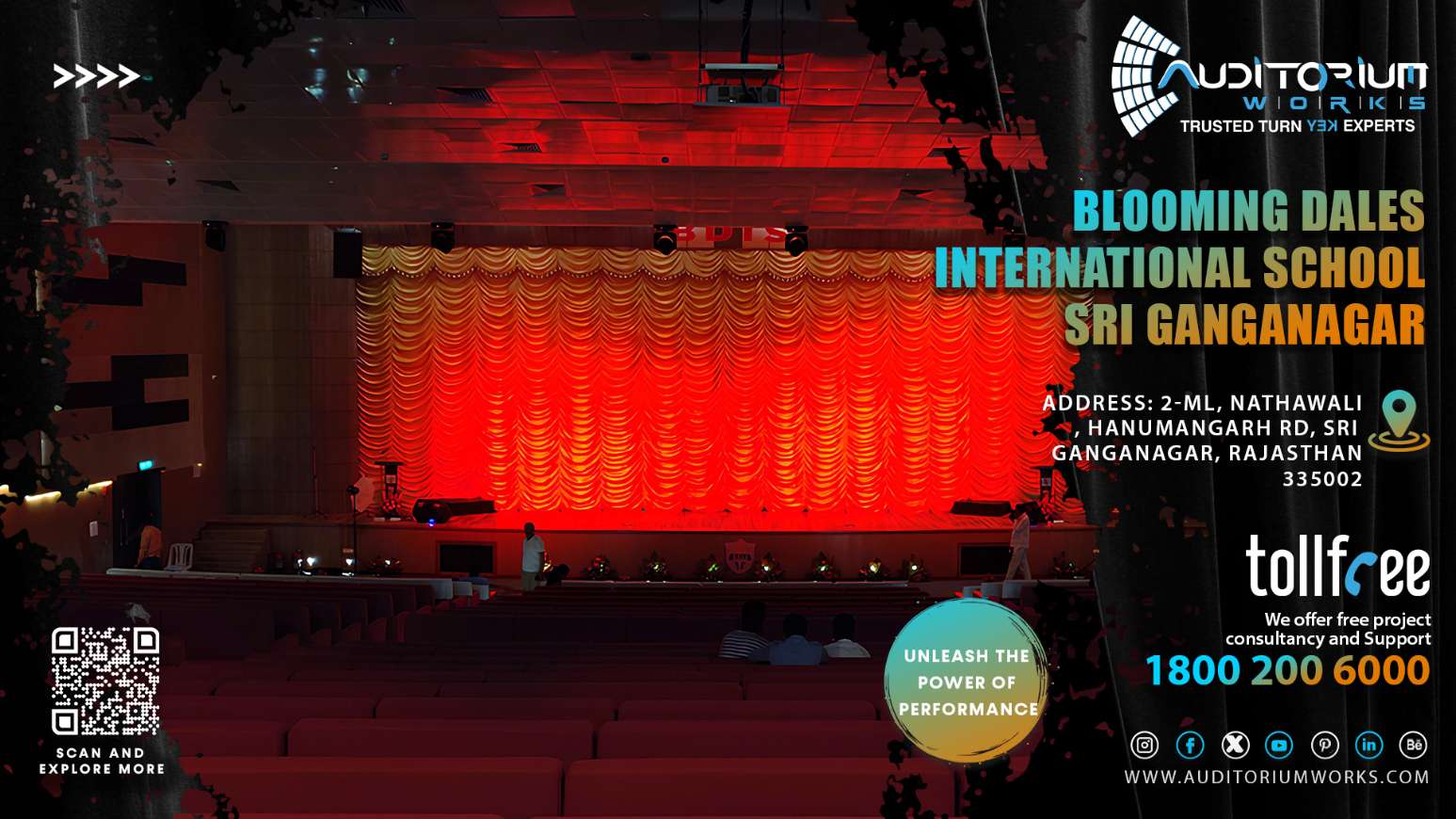

Auditorium Design: Where Sound and Vision Unite
The Symphony of Space: Crafting the Optimal Auditorium Experience
Auditorium design transcends mere architecture; it’s the art of orchestrating an environment where sound and vision harmonize to create a truly immersive experience. From the hushed reverence of a concert hall to the vibrant energy of a lecture theater, the success of an auditorium hinges on its ability to seamlessly integrate acoustics and sightlines. This integration isn’t accidental; it’s the result of meticulous planning, innovative design solutions, and a deep understanding of how people perceive and interact with space.
Acoustic Perfection: More Than Just Preventing Echo
Acoustic design in auditoriums goes far beyond simply eliminating echoes. It’s about sculpting the soundscape to ensure clarity, richness, and even distribution throughout the space. This involves carefully considering a multitude of factors, starting with the room’s geometry. Convex surfaces diffuse sound, while concave surfaces can focus it, potentially creating unwanted hot spots. Wall and ceiling materials play a crucial role, with absorptive materials like acoustic panels minimizing reverberation and reflective materials like wood enhancing the natural warmth of instruments. The size and shape of the room influence the natural resonance frequencies, requiring careful calibration to avoid undesirable coloration of the sound. Sophisticated computer modeling and simulation are essential tools for predicting acoustic performance before construction even begins.
Beyond material selection and geometry, effective acoustic design also addresses noise control. External noise from traffic, HVAC systems, and other sources must be mitigated through sound isolation techniques such as thick walls, sealed windows, and strategically placed sound barriers. Internal noise from the audience itself, like rustling programs or whispered conversations, can also be minimized through careful seating arrangements and absorbent materials.
Sightlines and Stage Presence: Seeing is Believing
Equally critical to the auditorium experience are clear and unobstructed sightlines. Every seat in the house should offer a comfortable and compelling view of the stage or presentation area. Achieving this requires careful consideration of seating rake, stage height, and the placement of any architectural elements that could potentially obstruct views. Stage visibility calculations are crucial, ensuring that even audience members in the back rows can clearly see the performers’ expressions and movements.
Furthermore, the design of the stage itself plays a significant role in visual impact. A well-designed stage not only provides ample space for performers but also enhances their presence and allows for dynamic staging possibilities. Stage lighting is paramount, creating mood, highlighting key performers, and enhancing the overall visual narrative. Backdrops, curtains, and other stage elements contribute to the visual aesthetic and can be customized to suit a variety of performances and events.
Integrated Systems: The Future of Auditorium Design
Modern auditoriums are increasingly complex, integrating sophisticated sound systems, lighting controls, projection technology, and even real-time translation capabilities. The seamless integration of these systems is crucial for creating a truly immersive and engaging experience. Sound reinforcement systems must be carefully calibrated to the room’s acoustics, ensuring that sound is amplified evenly and without distortion. Lighting control systems allow for precise adjustments to create the desired mood and atmosphere for each performance. High-resolution projectors and screens are essential for presentations and multimedia events.
Beyond the technical aspects, the aesthetic integration of these systems is also important. Speakers, lighting fixtures, and other equipment should be discreetly integrated into the architecture, minimizing visual clutter and maintaining the overall design aesthetic of the space. Cable management is also crucial, ensuring that wiring is concealed and organized to prevent tripping hazards and maintain a clean and professional appearance.
Flexibility and Adaptability: Designing for the Future
Auditoriums are often used for a wide variety of events, from concerts and theatrical performances to lectures and conferences. Therefore, flexibility and adaptability are key considerations in the design process. Movable seating, adjustable stages, and adaptable lighting systems allow the auditorium to be reconfigured to suit different types of events. Variable acoustics systems, such as adjustable acoustic panels, can be used to optimize the sound quality for different performances. By designing for flexibility, auditoriums can remain relevant and adaptable for years to come.
The Collaborative Approach: Architects, Acousticians, and AV Specialists
Successful auditorium design requires a collaborative approach, bringing together architects, acousticians, AV specialists, and other experts. Architects provide the overall design vision and ensure that the auditorium is aesthetically pleasing and functional. Acousticians optimize the sound quality of the space, ensuring clarity, richness, and even distribution. AV specialists design and integrate the sound systems, lighting controls, and other technology. By working together, these experts can create an auditorium that is both visually stunning and acoustically perfect.
Conclusion: Elevating the Performance Experience
Auditorium design is a complex and multifaceted process that requires careful planning, innovative design solutions, and a deep understanding of acoustics, sightlines, and integrated systems. By prioritizing the integration of sound and vision, designers can create spaces that not only meet the functional needs of performers and audiences but also elevate the overall performance experience.