
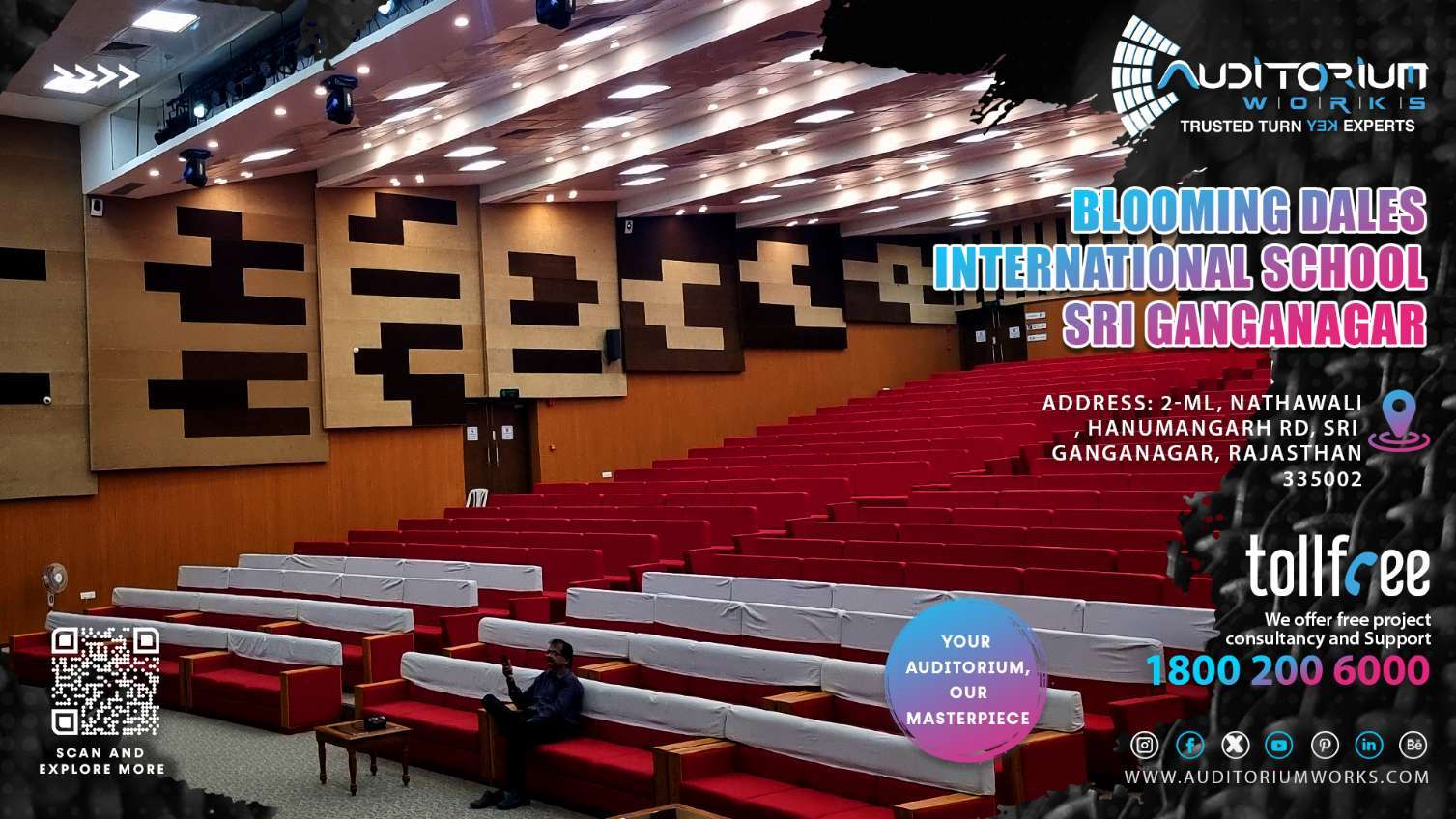

Auditorium Acoustic Upgrades: A Smart Investment for the Future
The Symphony of Silence: Why Acoustics Matter
Auditoriums are designed to be sonic cathedrals, spaces where voices resonate and music soars. But all too often, they become echo chambers, plagued by poor sound quality that detracts from the intended experience. Understanding the fundamental role acoustics play in shaping the audience’s perception is the first step towards unlocking an auditorium’s full potential. Subpar acoustics lead to listener fatigue, reduced comprehension, and a general sense of disconnect, ultimately impacting engagement and satisfaction. An investment in acoustic upgrades is an investment in the very essence of the performance or presentation.
Decoding the Decibels: Common Acoustic Challenges in Auditoriums
Several factors contribute to poor acoustics in auditoriums. Reverberation, the persistence of sound after the original source has stopped, can muddy speech clarity and create a confusing jumble of sound, especially in large rooms with hard, reflective surfaces. Echoes, distinct repetitions of sound, further exacerbate the issue. Sound focusing, where concave surfaces concentrate sound waves in specific areas, creates hot spots with excessive volume and dead spots with insufficient sound. Finally, external noise intrusion from traffic, HVAC systems, or surrounding buildings can significantly disrupt the auditory experience. Identifying these specific acoustic challenges is crucial for developing targeted and effective solutions.
Solutions that Sing: Tailoring Acoustic Treatments to Your Space
Fortunately, a range of innovative acoustic treatments can address these challenges. Sound-absorbing panels, strategically placed on walls and ceilings, reduce reverberation and improve speech intelligibility. Diffusers, with their irregular surfaces, scatter sound waves, preventing echoes and creating a more even sound distribution throughout the auditorium. Bass traps, designed to absorb low-frequency sounds, prevent unwanted booming and resonance. Curtains and drapes can also provide acoustic damping, while specialized acoustic flooring minimizes impact noise. Selecting the appropriate combination of treatments requires careful consideration of the auditorium’s size, shape, and intended use, making expert consultation essential.
The Technology Tune-Up: Integrating Modern Sound Systems
Acoustic treatments are only one part of the equation. Modern sound systems, when properly integrated with acoustic design, can further enhance the auditory experience. Digital signal processors (DSPs) allow for precise control over sound levels and equalization, optimizing sound for different performance types. Line array speaker systems provide even sound coverage across the entire audience area, minimizing variations in volume and clarity. Wireless microphone systems offer freedom of movement for performers, while reducing the risk of feedback and interference. A thoughtfully designed and implemented sound system can transform an auditorium from a functional space to an immersive sonic environment.
Return on Sound: The Tangible Benefits of Acoustic Upgrades
Investing in acoustic upgrades is not merely an expense; it’s a strategic investment with a significant return. Improved speech intelligibility enhances comprehension, making presentations and lectures more effective. Enhanced sound quality allows audiences to fully appreciate musical performances, creating a more enjoyable and memorable experience. Reduced listener fatigue leads to increased engagement and satisfaction. A well-designed acoustic environment also improves the reputation of the auditorium, attracting more performers and attendees. Ultimately, acoustic upgrades create a more valuable and sought-after space, benefiting both performers and audiences alike.
Expert Ears: Why Professional Acoustic Consultation is Key
While DIY solutions may seem tempting, achieving optimal acoustics requires specialized knowledge and expertise. A professional acoustic consultant can conduct a thorough analysis of the auditorium, identifying specific acoustic challenges and recommending tailored solutions. They can use sophisticated software to model sound behavior and predict the effectiveness of different treatments. They can also oversee the installation process, ensuring that the acoustic treatments are properly implemented. Partnering with a qualified acoustic consultant ensures that your investment yields the best possible results, transforming your auditorium into a sonic masterpiece.
Looking Ahead: The Future of Auditorium Acoustics
The field of auditorium acoustics is constantly evolving, with new technologies and materials emerging all the time. From active noise control systems that dynamically adapt to changing sound conditions to bio-based acoustic panels that offer sustainable solutions, the future of auditorium acoustics is bright. Staying abreast of these advancements is crucial for ensuring that your auditorium remains at the forefront of sonic excellence. By embracing innovation and prioritizing acoustic quality, you can create a space that inspires, engages, and captivates audiences for years to come.