
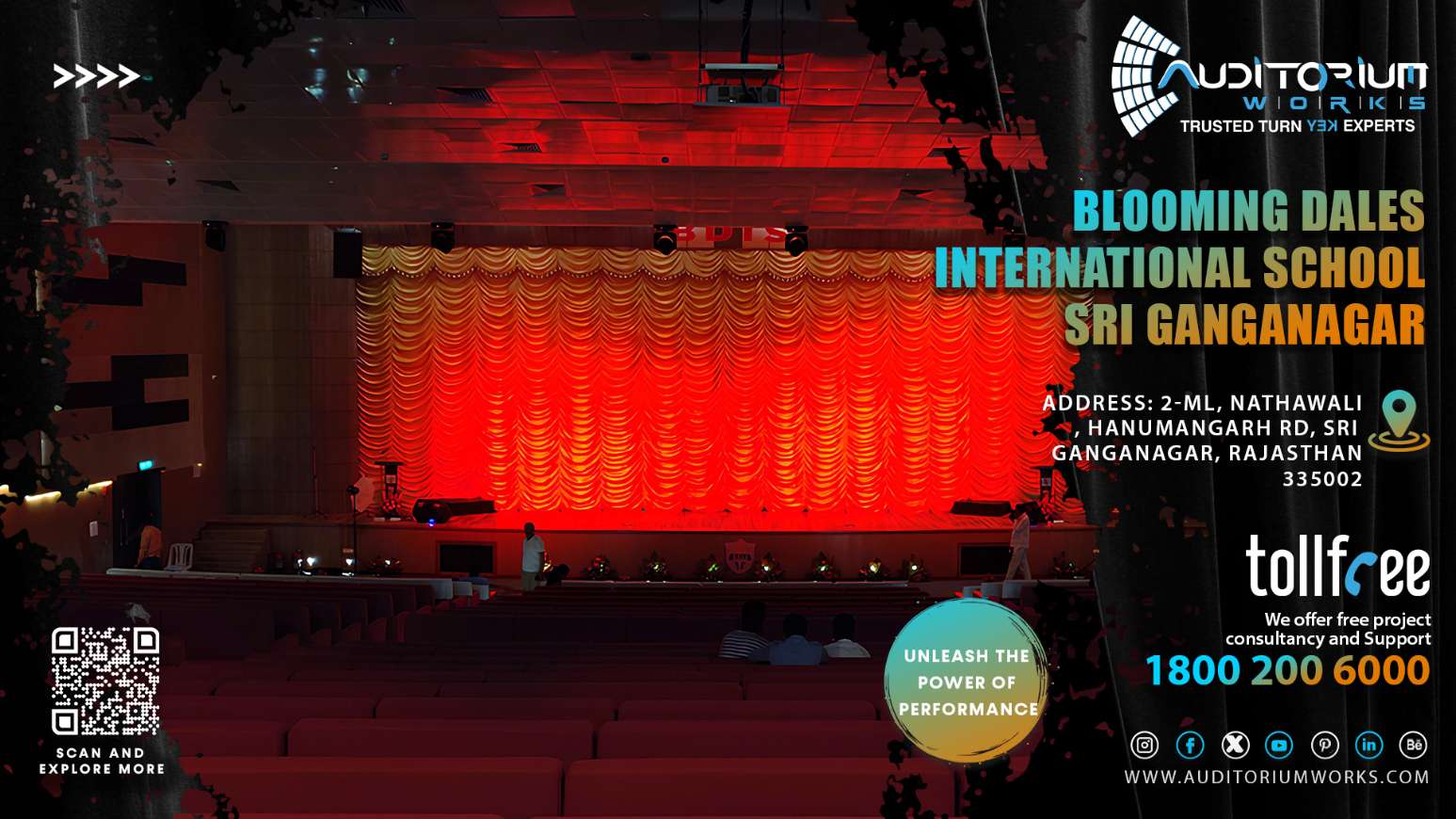

The Symphony of Silence and Sound: Why Auditorium Acoustics Matter
An auditorium, in its essence, is a vessel. A vessel designed to hold and amplify sound, delivering it clearly and consistently to every seat. But merely building four walls and a roof doesn’t guarantee acoustic excellence. The science, and art, of auditorium acoustics lie in controlling reflections, minimizing unwanted noise, and ensuring optimal reverberation.
Poor acoustics can sabotage even the most brilliant performance. Imagine a captivating speech rendered unintelligible by echoes, or a breathtaking musical performance marred by muddiness and distortion. Investing in professional acoustic design isn’t just an aesthetic choice; it’s an investment in the overall experience and the perceived value of the auditorium itself.
Decoding the Acoustic Landscape: Key Concepts
Understanding the fundamental principles is crucial for appreciating the complexities of auditorium acoustics:
- Reverberation Time (RT60): This measures how long it takes for sound to decay by 60 decibels after the source stops. Too much reverberation creates a muddy, indistinct sound; too little results in a sterile, lifeless atmosphere. Optimal RT60 values vary depending on the intended use of the auditorium (e.g., speech, music).
- Sound Absorption: Different materials absorb sound energy to varying degrees. Acoustic panels, fabrics, and even the audience themselves contribute to sound absorption, reducing reflections and controlling reverberation.
- Sound Reflection: While excessive reflection is detrimental, strategic reflection can enhance sound distribution, projecting sound evenly throughout the space. Diffusers are often used to scatter sound reflections, creating a more enveloping sound field.
- Sound Diffusion: The uniform scattering of sound energy in a space. Effective diffusion ensures that no single listener receives a disproportionate amount of sound from any particular source.
- Noise Isolation: Preventing external noise from entering the auditorium. This involves addressing issues like flanking paths, sound transmission through walls and ceilings, and vibration isolation.
Acoustic Solutions: From Panels to Paradigms
The solutions employed to achieve optimal acoustics are as diverse as the auditoriums themselves. A tailored approach, considering the specific architectural design and intended use, is essential.
- Acoustic Panels: Fabric-wrapped panels, wood slats, and perforated metal panels are commonly used to absorb sound and reduce reverberation. Their placement and material composition are carefully considered to achieve the desired acoustic effect.
- Bass Traps: Low-frequency sound waves are notoriously difficult to control. Bass traps, often placed in corners, are designed to absorb these frequencies, preventing muddiness and boominess.
- Diffusers: These devices scatter sound waves in multiple directions, creating a more diffuse sound field and enhancing the sense of spaciousness.
- Soundproofing Measures: Addressing flanking paths, sealing gaps, and using dense building materials to minimize sound transmission from external sources.
- Variable Acoustics: In multi-purpose auditoriums, variable acoustics systems allow for adjustments to the acoustic environment to suit different types of performances or events. These systems may involve retractable banners, adjustable panels, or electronic reverberation enhancement.
The Consultation Process: Partnering for Acoustic Excellence
Achieving optimal auditorium acoustics requires a collaborative approach. Engaging a qualified acoustic consultant early in the design process is crucial. The consultation process typically involves:
- Needs Assessment: Understanding the intended use of the auditorium, the desired acoustic characteristics, and the budget constraints.
- Acoustic Modeling: Using sophisticated software to simulate the acoustic behavior of the auditorium and predict the effectiveness of different design solutions.
- Material Selection: Recommending appropriate acoustic materials based on their performance characteristics, aesthetic appeal, and budget.
- Installation Supervision: Overseeing the installation of acoustic treatments to ensure they are implemented correctly and achieve the desired results.
- Post-Occupancy Evaluation: Conducting measurements and subjective listening tests to verify the acoustic performance of the auditorium and make any necessary adjustments.
Beyond the Technical: The Art of Acoustic Design
While acoustic design is rooted in science, it also involves an element of artistry. The goal is not simply to achieve technically perfect acoustics, but to create an environment that enhances the emotional impact of the performance and provides a truly immersive experience for the audience.
This requires a deep understanding of how sound interacts with the human ear and brain, as well as a sensitivity to the nuances of music, speech, and other forms of auditory expression. A skilled acoustic consultant will work closely with architects, interior designers, and performers to create an auditorium that is not only acoustically sound, but also aesthetically pleasing and functionally optimized.
Investing in the Future of Sound
In conclusion, auditorium acoustics are not an afterthought; they are a fundamental element of the design process. By investing in professional acoustic design, you can create a space that delivers exceptional sound quality, enhances the audience experience, and elevates the overall value of your auditorium. The sound of perfection is within reach – let us help you achieve it.