
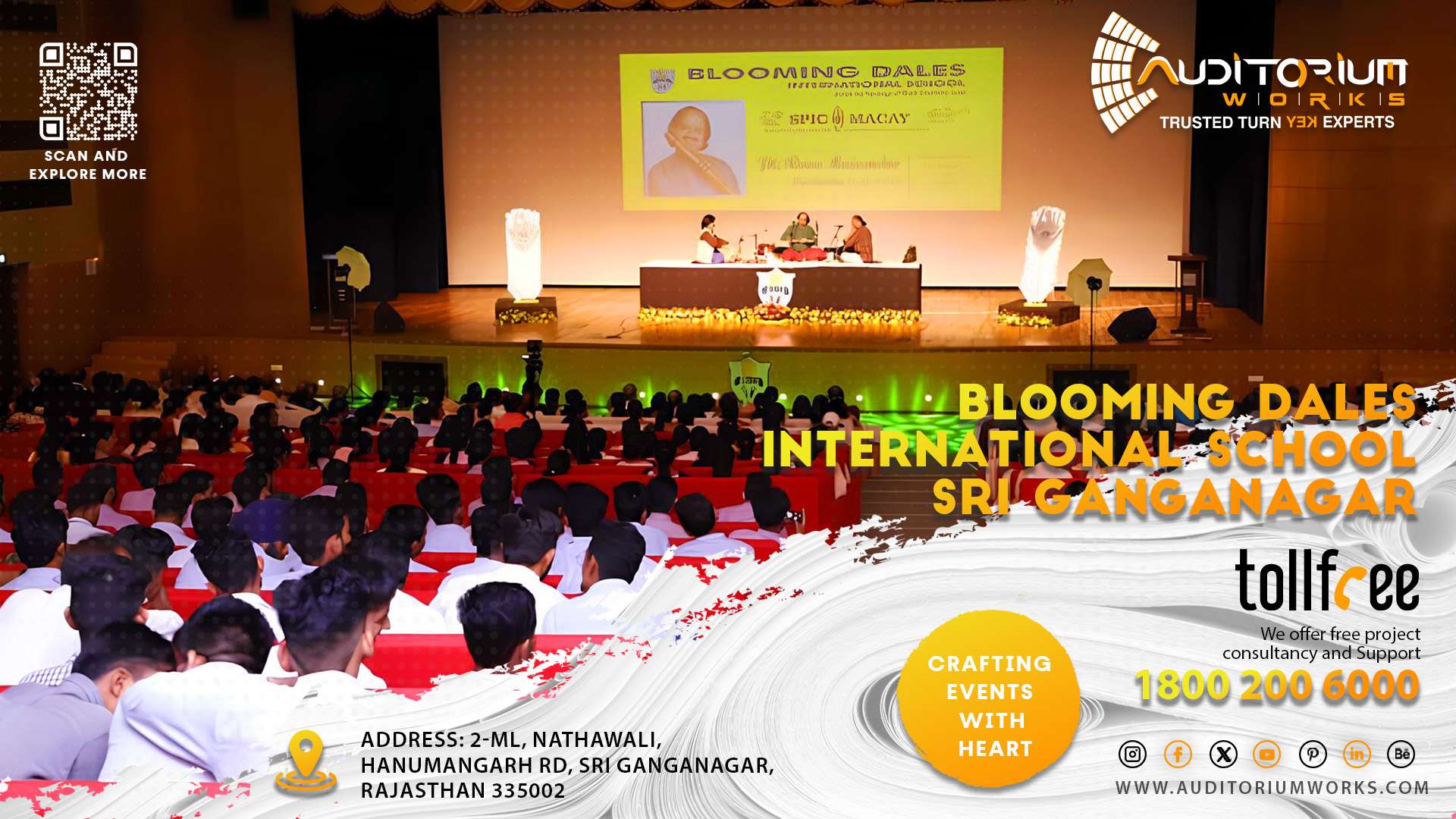

Auditoriums are no longer simply spaces for lectures and performances. They are dynamic environments capable of hosting a diverse range of activities, from keynote speeches and theatrical productions to film screenings and interactive workshops. Modern auditorium design is about creating adaptable, technologically advanced, and acoustically optimized venues that enhance the experience for both performers and audience members.
Acoustic Excellence: The Foundation of Immersive Experiences
The quality of sound within an auditorium is paramount. Modern design prioritizes acoustic excellence through careful material selection, strategic placement of sound-absorbing panels, and advanced modeling techniques. Variable acoustics are also becoming increasingly common, allowing the space to be adjusted for different types of performances, from spoken word to amplified music. This is achieved through motorized curtains, adjustable reflectors, and specialized acoustic diffusers.
Illuminating Possibilities: Advanced Lighting Systems
Lighting plays a crucial role in setting the mood, highlighting performers, and guiding the audience’s attention. Modern auditoriums utilize intelligent lighting systems, including LED technology, which offers energy efficiency, precise control, and a wide range of color options. Programmable lighting consoles allow for complex and dynamic lighting cues to be created and executed seamlessly. Architectural lighting is also integrated to create a visually appealing and welcoming environment.
Seating Solutions: Comfort and Flexibility
Audience comfort is essential for an enjoyable experience. Ergonomic seating designs, with ample legroom and proper lumbar support, are now standard. Furthermore, flexibility is key. Modular seating systems allow for quick reconfiguration of the space to accommodate different event formats and audience sizes. Telescopic seating, also known as retractable seating, provides the ultimate in flexibility, allowing for the entire seating area to be cleared when needed.
Seamless AV Integration: Connecting Performers and Audience
Audio-visual (AV) technology is at the heart of modern auditorium design. High-resolution projection systems, large format displays, and sophisticated sound reinforcement systems are essential for delivering impactful presentations and performances. Seamless integration of AV equipment is crucial for ease of use and reliability. This includes well-designed control rooms, intuitive interfaces, and robust networking infrastructure to support complex AV setups.
Accessibility and Inclusivity: Design for All
Modern auditorium design must prioritize accessibility and inclusivity for all audience members. This includes wheelchair-accessible seating, assistive listening devices, and clear signage. Universal design principles should be incorporated throughout the space to ensure that everyone can enjoy the auditorium experience.
Beyond the Basics: Innovative Design Trends
Emerging trends in auditorium design include the integration of augmented reality (AR) and virtual reality (VR) technologies, interactive displays, and immersive soundscapes. These innovations create new opportunities for engagement and enhance the overall experience. Biophilic design, which incorporates natural elements such as plants and natural light, is also gaining popularity, creating a more welcoming and stimulating environment.
The Future of Auditorium Design
The future of auditorium design lies in creating adaptable, technologically advanced, and environmentally sustainable spaces that enhance the experience for both performers and audience members. By embracing innovation and prioritizing user needs, we can transform these venues into truly remarkable environments.