
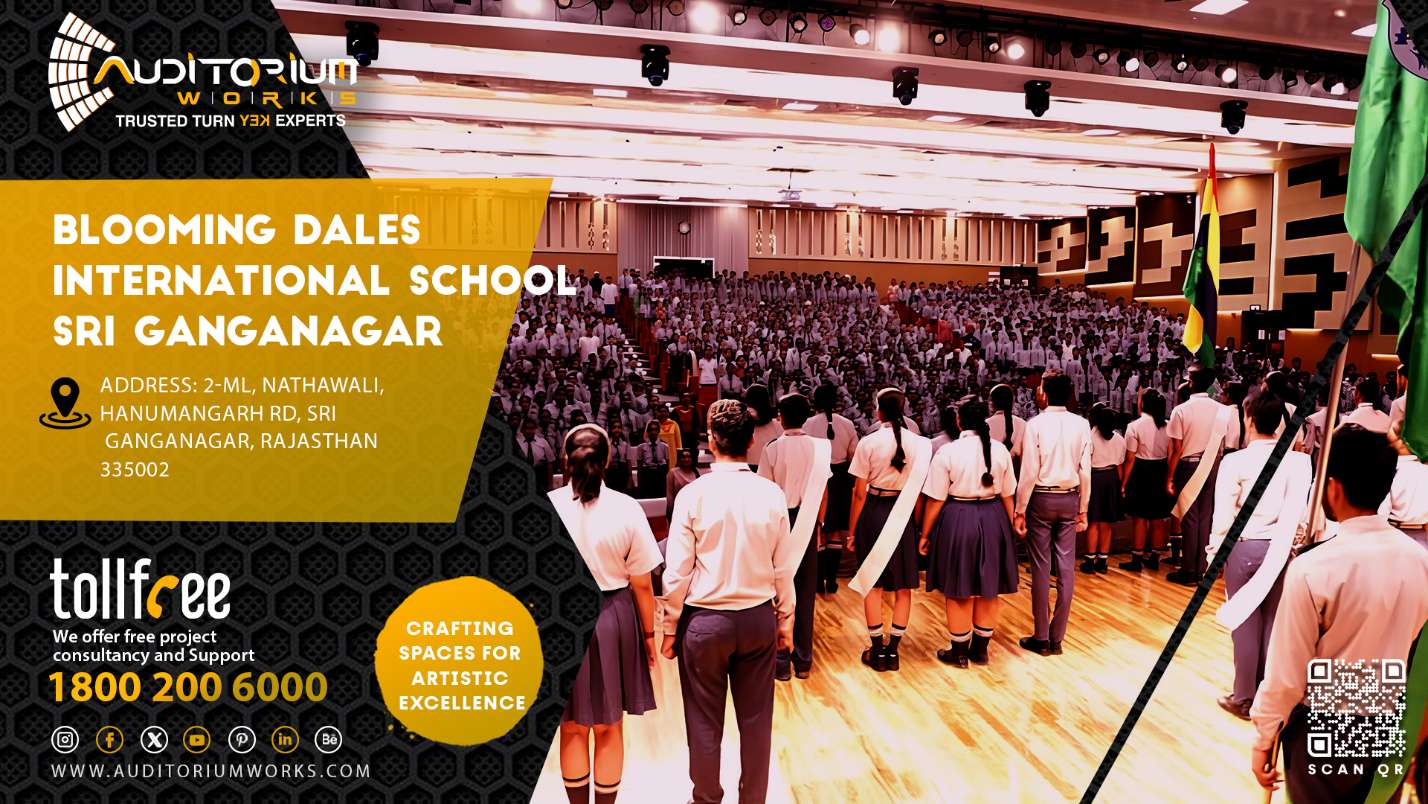

Auditorium Design: Setting the Stage for Success
The Heart of Communication: Defining Auditorium Purpose
Auditoriums are more than just large rooms with seats. They are dynamic spaces where ideas are shared, performances are witnessed, and communities connect. The initial stage of auditorium design lies in defining its primary purpose. Will it primarily host lectures, musical performances, theatrical productions, conferences, or a combination? This fundamental question dictates numerous design choices, from acoustics and sightlines to stage configuration and technology integration. A multi-purpose auditorium demands flexible design elements, allowing for quick adaptation between different event types.
Acoustics: The Unsung Hero of the Auditorium Experience
Superior acoustics are paramount in creating a positive and engaging auditorium experience. Sound quality directly impacts audience comprehension, enjoyment, and overall satisfaction. Poor acoustics, characterized by echoes, reverberation, and uneven sound distribution, can detract from even the most compelling presentation or performance. Acoustic design involves a multifaceted approach, considering room shape, materials used for walls, ceilings, and floors, and the strategic placement of sound-absorbing and sound-reflecting surfaces. Utilizing acoustic modeling software early in the design process allows for accurate predictions and informed decision-making, ensuring optimal sound clarity and intelligibility throughout the auditorium. The careful selection and placement of sound reinforcement systems further contribute to a well-balanced and immersive auditory experience.
Sightlines: Guaranteeing Every Seat Offers a Clear View
Equally crucial to acoustics are unimpeded sightlines. Every audience member deserves a clear, unobstructed view of the stage or presentation area. Careful consideration must be given to seating arrangements, stage height, and the slope of the auditorium floor. Staggered seating configurations, coupled with strategically elevated stage platforms, minimize obstructions and maximize visibility. Digital modeling tools can simulate sightlines from every seat, identifying potential problem areas and allowing for necessary adjustments during the design phase. Furthermore, the placement of support columns, lighting fixtures, and other architectural elements must be meticulously planned to avoid visual interference.
Lighting Design: Illuminating Performance and Enhancing Ambiance
Lighting design plays a pivotal role in setting the mood, highlighting performers, and guiding the audience’s attention. A well-designed lighting system should be versatile, energy-efficient, and adaptable to various performance requirements. Stage lighting, including spotlights, floodlights, and special effects lighting, enhances the visual impact of performances and draws focus to key elements. Ambient lighting, on the other hand, provides general illumination and contributes to the overall atmosphere of the auditorium. Intelligent lighting control systems allow for precise manipulation of light levels and color, creating dynamic visual effects and seamless transitions between scenes. Energy-efficient LED lighting fixtures offer significant cost savings and environmental benefits, while also providing superior performance and longevity.
Technology Integration: Elevating the Auditorium Experience
In today’s digital age, technology integration is essential for a modern auditorium. State-of-the-art audio-visual equipment, including high-resolution projectors, large-format displays, and advanced sound reinforcement systems, enhances the presentation quality and audience engagement. Seamless integration of control systems allows for easy management of lighting, sound, and video, streamlining presentations and performances. High-speed internet connectivity and wireless presentation capabilities enable presenters to share content from various devices, fostering collaboration and interactivity. Furthermore, accessibility features, such as hearing loops and assistive listening devices, ensure that the auditorium is inclusive and accommodating to all audience members.
Seating Comfort and Ergonomics: Ensuring Audience Well-being
Comfortable seating is crucial for maintaining audience engagement and preventing distractions. Ergonomically designed seating, with adequate legroom and lumbar support, minimizes discomfort and allows audience members to focus on the presentation or performance. The selection of seating materials should consider durability, aesthetics, and acoustic properties. Careful consideration should be given to seating arrangement, ensuring easy access and egress, while also maximizing seating capacity. ADA compliance requires accessible seating options for individuals with disabilities, ensuring inclusivity and equal access for all.
Accessibility: Creating an Inclusive Environment for All
Designing an accessible auditorium is not just a legal requirement; it is a moral imperative. Accessibility considerations should be integrated into every aspect of the design, ensuring that the auditorium is welcoming and usable by individuals with disabilities. Ramps, elevators, and accessible restrooms provide physical access to the facility. Assistive listening devices and visual aids cater to individuals with hearing and visual impairments. Clear signage and wayfinding systems guide audience members throughout the auditorium. By prioritizing accessibility, the auditorium becomes a truly inclusive space for all members of the community.
Sustainable Design: Minimizing Environmental Impact
Sustainable design principles should be incorporated into the auditorium’s construction and operation. Energy-efficient lighting, HVAC systems, and building materials reduce the auditorium’s environmental footprint and lower operating costs. Water-efficient fixtures and landscaping minimize water consumption. Natural lighting and ventilation maximize energy savings and improve indoor air quality. By embracing sustainable design practices, the auditorium becomes an environmentally responsible and socially conscious venue.
The Importance of Expert Consultation: Partnering for Success
Designing a successful auditorium requires a holistic approach, encompassing acoustics, sightlines, lighting, technology, accessibility, and sustainability. Engaging experienced auditorium consultants early in the design process ensures that all these factors are carefully considered and integrated seamlessly. Consultants provide expert guidance on space planning, material selection, equipment specification, and system integration, maximizing the auditorium’s performance and functionality. By partnering with experienced consultants, you can create an auditorium that meets your specific needs and exceeds your expectations, setting the stage for countless successful events and enriching experiences.