
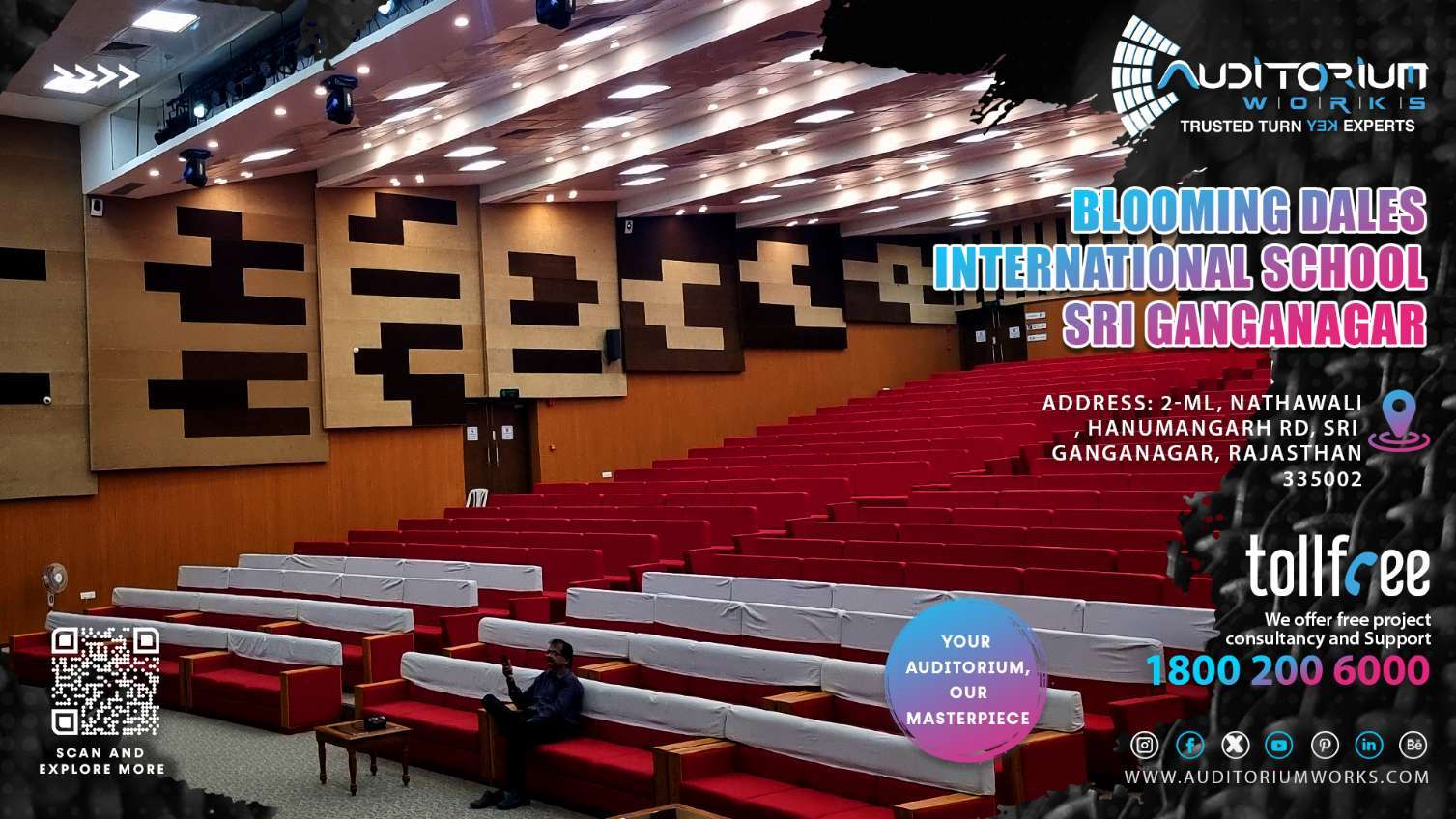

10 Secrets to Perfect Auditorium Acoustics
1. Understand the Auditorium’s Purpose and Audience
Perfect auditorium acoustics aren’t a one-size-fits-all solution. The ideal sound environment for a concert hall differs drastically from that of a lecture theatre or a multi-purpose community center. Before making any acoustic adjustments, clearly define the primary function of the auditorium and the needs of its intended audience. Consider the types of events that will be hosted (speeches, musical performances, film screenings), the expected number of attendees, and the acoustic preferences associated with each activity. This foundational understanding will guide all subsequent design and treatment decisions.
2. Conduct a Thorough Acoustic Analysis
A professional acoustic analysis is crucial. This involves measuring existing sound levels, reverberation times, and identifying potential acoustic problems such as echoes, standing waves, and excessive noise intrusion. This analysis should include both objective measurements using calibrated equipment and subjective evaluations by experienced acousticians. The resulting data will provide a clear picture of the auditorium’s current acoustic performance and highlight areas requiring improvement. Software simulations can also predict the effect of different acoustic treatments.
3. Optimize Room Shape and Volume
The shape and volume of an auditorium significantly influence its acoustic characteristics. Avoid parallel surfaces which promote unwanted reflections and standing waves. Angled walls, convex curves, and irregular ceiling heights can help diffuse sound energy more evenly throughout the space. The overall volume of the auditorium should be appropriate for the intended use. A larger volume generally leads to longer reverberation times, which may be desirable for music but detrimental to speech intelligibility. Careful consideration of these factors during the initial design phase (or renovation) can significantly improve acoustic performance.
4. Strategic Placement of Absorption Materials
Absorption materials play a critical role in controlling reverberation and reducing unwanted reflections. Strategically placing these materials throughout the auditorium is essential. Common absorption materials include acoustic panels, fabric-wrapped absorbers, perforated wood panels with backing, and specialized acoustic foams. High-frequency absorption is typically needed near the front of the auditorium to prevent echoes, while low-frequency absorption (bass traps) may be necessary in corners to reduce standing waves. The amount and placement of absorption should be carefully calculated to achieve the desired reverberation time for the intended use.
5. Diffusion Techniques for Sound Scattering
While absorption reduces the overall sound level, diffusion scatters sound energy in multiple directions, creating a more even and natural-sounding acoustic environment. Diffusers come in various forms, including quadratic residue diffusers (QRDs), polycylindrical diffusers, and irregularly shaped surfaces. Placing diffusers on walls and ceilings can help break up strong reflections, prevent flutter echoes, and improve the spatial impression of the sound. Diffusion is particularly important in areas where absorption is limited, such as behind performers on stage.
6. Control Reverberation Time (RT60)
Reverberation Time (RT60) is the time it takes for sound to decay by 60 decibels after the sound source stops. This is a key metric for auditorium acoustics. The ideal RT60 varies depending on the auditorium’s intended use. Speech requires a shorter RT60 (around 0.8-1.2 seconds) to ensure intelligibility, while music benefits from a longer RT60 (1.5-2.5 seconds) to create a sense of spaciousness. Controlling RT60 involves carefully balancing absorption, diffusion, and the room’s volume. Adjustable acoustic elements, such as curtains or retractable banners, can be used to modify the RT60 for different events.
7. Minimize Noise Intrusion from External Sources
External noise can significantly degrade the acoustic quality of an auditorium. Identify potential sources of noise, such as traffic, HVAC systems, and adjacent rooms. Soundproofing measures, such as installing thicker walls, using double-glazed windows, and sealing gaps, can help minimize noise intrusion. Vibration isolation techniques may be necessary to prevent structure-borne noise from entering the auditorium. Careful planning and execution are essential to create a quiet and conducive environment for performances and presentations.
8. Address Low-Frequency Issues
Low-frequency sound waves (bass) are often the most challenging to control in an auditorium. They tend to build up in corners and create standing waves, resulting in uneven bass response. Bass traps, specifically designed to absorb low-frequency energy, are crucial for addressing these issues. These can be commercially made or custom-built using materials such as mineral wool or fiberglass. The size and placement of bass traps will depend on the specific dimensions of the auditorium and the frequencies of the standing waves.
9. Consider Electronic Enhancement Systems
In some cases, electronic enhancement systems can be used to supplement the natural acoustics of an auditorium. These systems use microphones and loudspeakers to subtly reinforce the sound field, improving clarity and projection. Electronic Architecture systems can simulate different acoustic environments, allowing the auditorium to be optimized for various types of performances. However, these systems should be used sparingly and carefully calibrated to avoid creating an unnatural or artificial sound.
10. Regular Maintenance and Fine-Tuning
Achieving perfect auditorium acoustics is an ongoing process. Regularly inspect and maintain acoustic treatments to ensure they are functioning effectively. Over time, materials can degrade or become damaged, affecting their acoustic performance. Periodically re-evaluate the acoustic environment and make adjustments as needed to accommodate changes in usage or audience preferences. A qualified acoustic consultant can provide ongoing support and guidance to ensure that the auditorium continues to provide optimal sound quality.